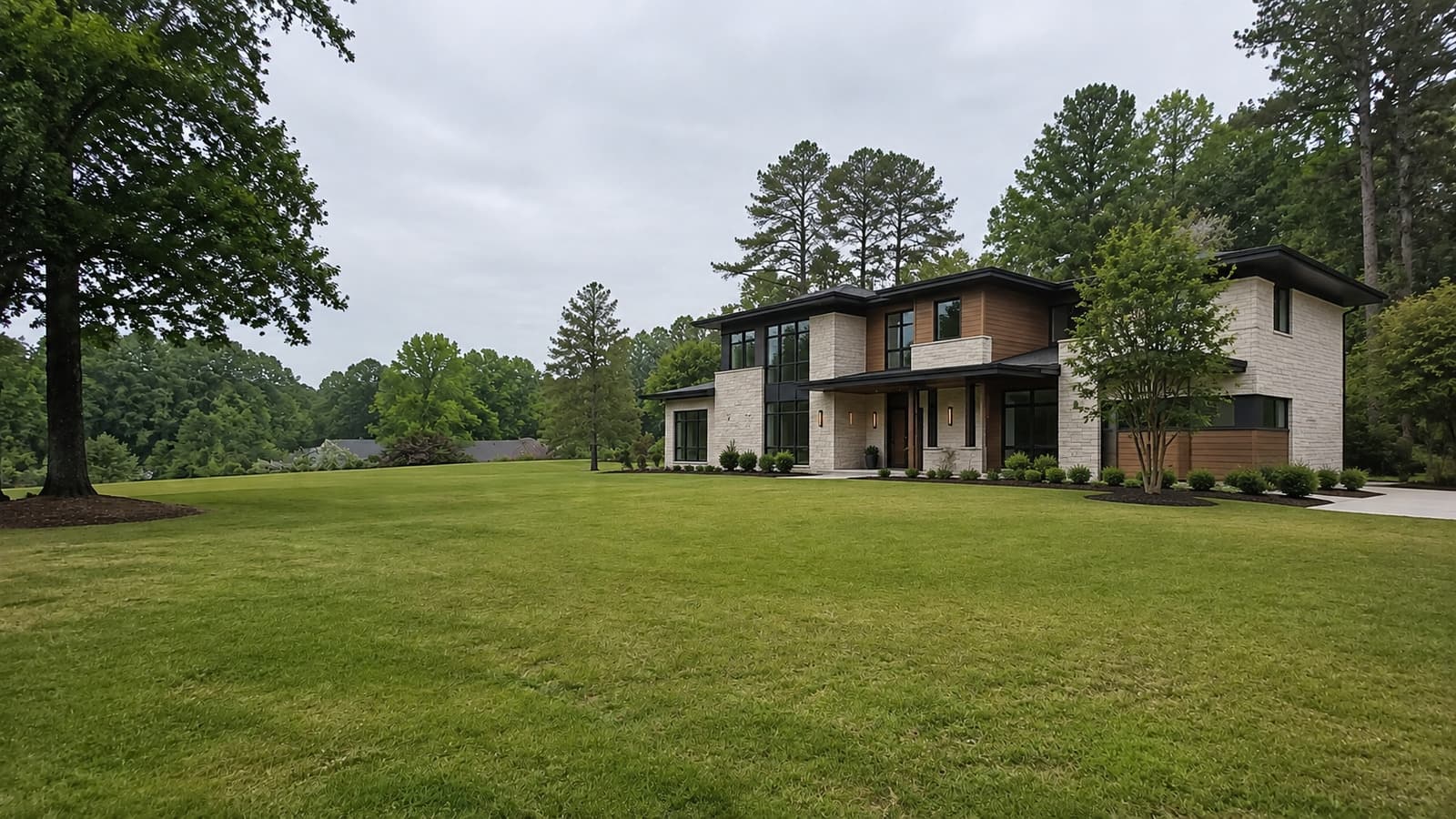
The Lot That's Big Enough But Still Can't Be Split in Marietta
Big enough for two houses. Zoned for one.
Marietta's R-1 district caps density at 1 unit per acre — and separately requires a minimum floor area of 1,800 sqft per home. A lot that looks large enough to split often isn't, once both numbers apply at the same time.
The Insight
Density and floor area are two separate checks, not one. A lot can clear the density cap and still fail if the resulting homes don't hit the floor-area minimum — or vice versa. Most people check lot size, do the acreage math, and assume the split works from there.
Application
Before assuming a large R-1 lot can be subdivided, both numbers need to be checked against the actual buildable area — not just the total acreage. That's the site plan redrawn after a call to the planning office that most people don't budget for.
The IQLand Connection
IQLand surfaces both the density cap and the floor-area minimum for a specific parcel together, so the split math is checked before the plan is drawn, not after.
Closing Insight
Check both numbers before you assume the split works.
IQLand Team
AI-powered land development intelligence platform
Related Posts
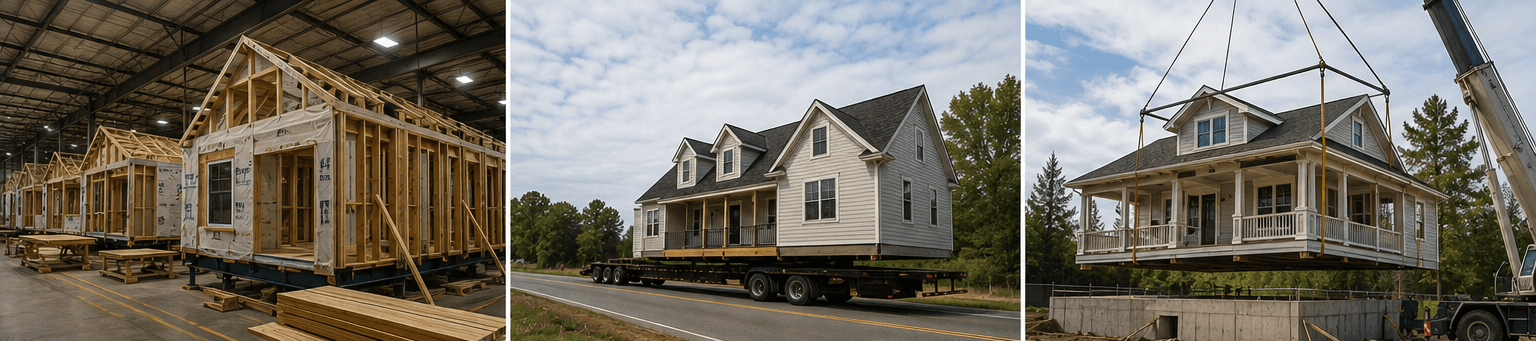
Prefab, Modular, or Manufactured? What's the Difference — and Who Cares?
Prefab, modular, and manufactured aren't interchangeable words. They're three regulatory categories with three different building codes, financing paths, and zoning treatments — and Congress just rewrote the rules for one of them.
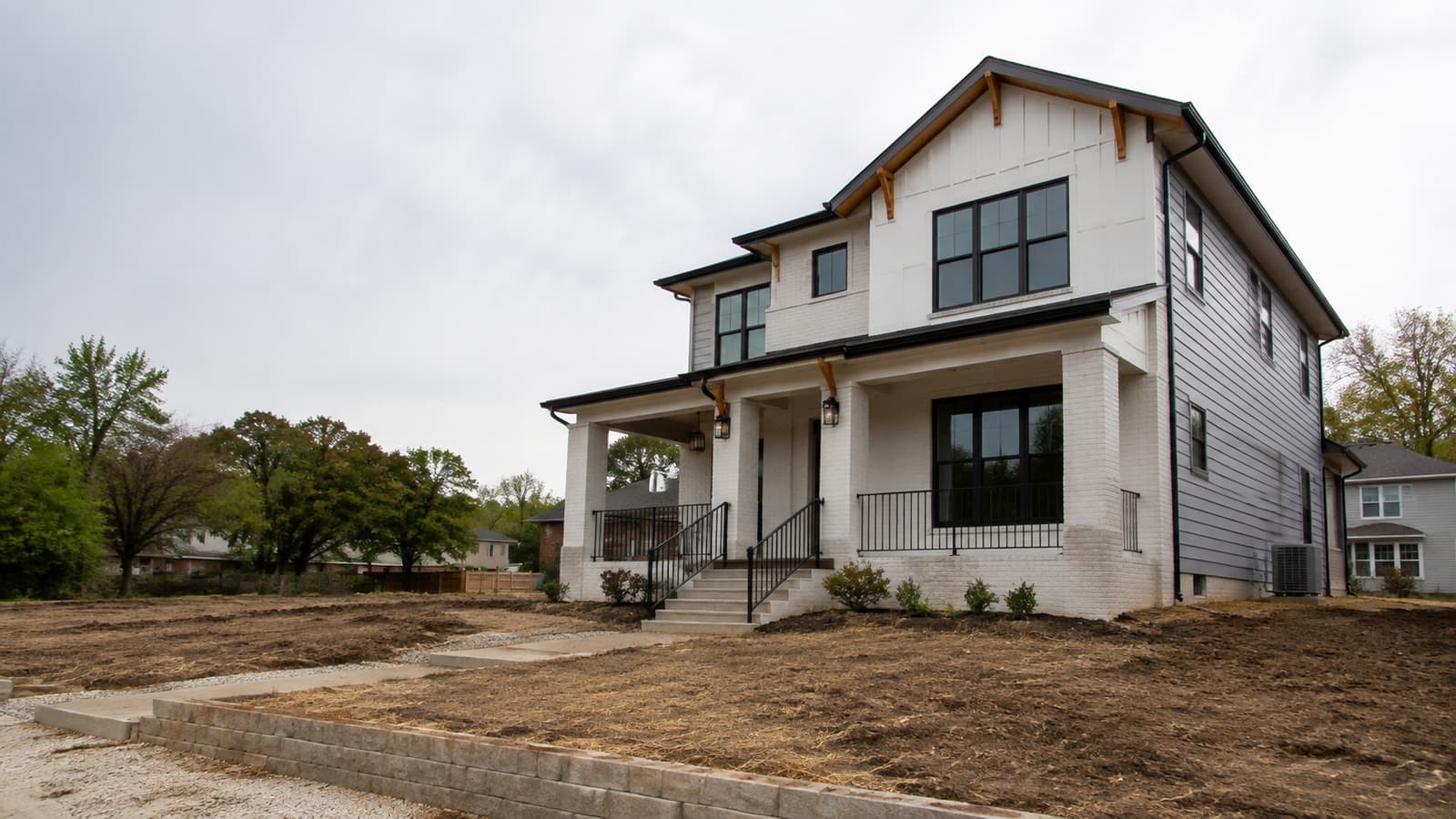
The East Point District Where the Floor-Area Bar Nearly Doubles
East Point's R-3 district requires nearly double the floor area of R-1A on a comparably sized lot.
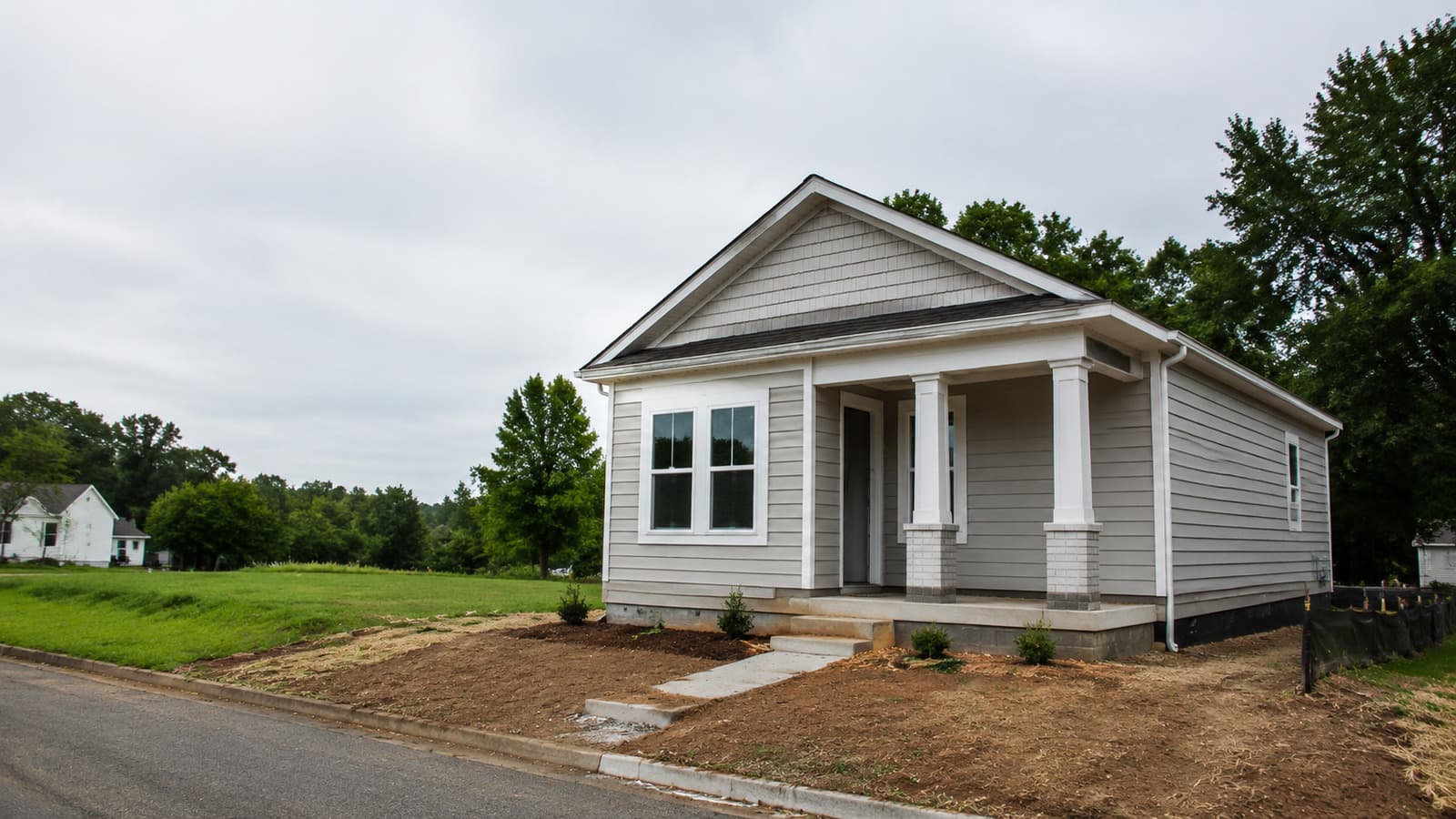
The Smaller East Point District With Its Own Floor-Area Math
East Point's R-1A district allows a smaller ground floor than R-1 next door — mixing the two up fails plan review.