Two Lots, Same Square Footage, Different Answer
Have you ever assumed a lot could hold more than it actually could — just because the total area looked right?
It's an easy assumption to make. Area is the number most people check first, because it's the easiest to compare across listings. But area alone doesn't determine what a lot can support. Shape matters just as much, and shape is where two similarly sized lots can quietly diverge.
Two Districts, Two Different Widths
Brookhaven, Georgia has multiple residential zoning districts, and two of them make a useful comparison: RS-50 and RS-75. The names hint at the difference — RS-50 requires a minimum lot width of 50 feet. RS-75 requires 75.
Width and area aren't the same measurement. A lot can be long and narrow, wide and shallow, or somewhere in between, and still add up to the same total square footage. A 10,000-square-foot lot that's 50 feet wide and 200 feet deep meets RS-50's width requirement easily. The same 10,000 square feet, if it's only 40 feet wide and 250 feet deep, fails RS-75's width test even though the area is identical — and might fail RS-50's test too, depending on the district's actual minimum.
Why This Catches People Off Guard
Real estate listings emphasize total square footage because it's a single, comparable number. Lot width rarely gets the same billing, even though it's doing real work behind the scenes — determining how much buildable frontage a lot actually has, and by extension, how much house can realistically sit on it.
Two lots advertised with the same acreage can produce two completely different outcomes once the buildable envelope is calculated. Setbacks apply from every property line, and on a narrow lot, side setbacks alone can consume a much larger share of the available width than they would on a wider lot with the same area.
Applying This Before Making an Offer
The practical fix isn't complicated: check width and depth alongside area, not instead of it. For a property under consideration in Brookhaven, that means confirming which district applies — RS-50 or RS-75 — and checking the specific lot's width against that district's minimum before assuming a project fits.
This is a five-minute check that prevents a much longer conversation later, usually the one that starts with "the setbacks don't leave enough room."
Where IQLand Fits
A parcel's zoning detail — minimum lot width and depth included, not just area and setbacks — is already assembled and searchable by address. That means the width question can be answered in the same lookup as everything else, before an offer gets made on a lot that looks right on paper but doesn't actually have the frontage to support the plan.
The Takeaway
Total area is the number that gets advertised. Width and depth are the numbers that actually determine what fits. Checking only the first one is how two lots that look identical on a listing end up with completely different answers once the buildable envelope gets calculated.
Want to see the actual buildable envelope for a property before assuming the square footage tells the whole story? Search a parcel with IQLand →
IQLand
AI-powered land development intelligence platform
Related Posts
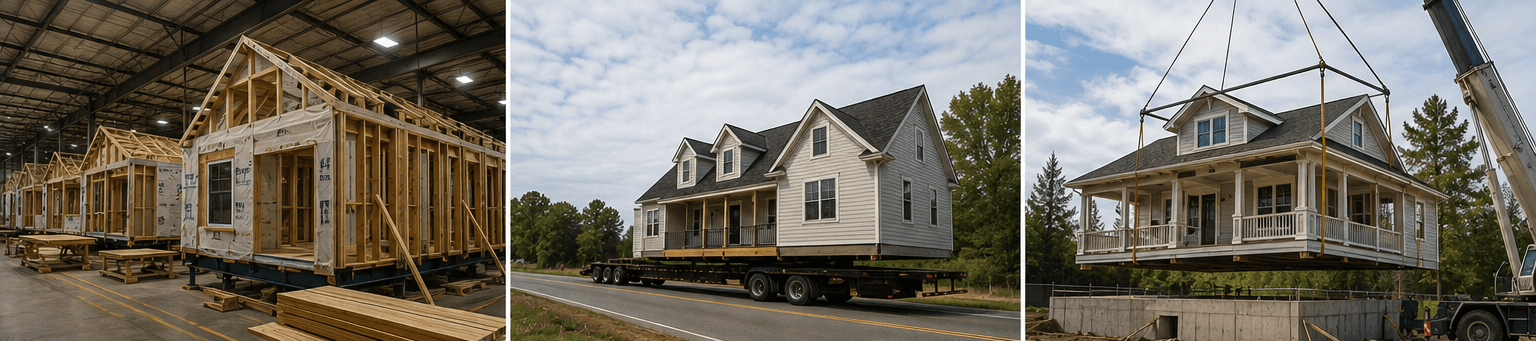
Prefab, Modular, or Manufactured? What's the Difference — and Who Cares?
Prefab, modular, and manufactured aren't interchangeable words. They're three regulatory categories with three different building codes, financing paths, and zoning treatments — and Congress just rewrote the rules for one of them.
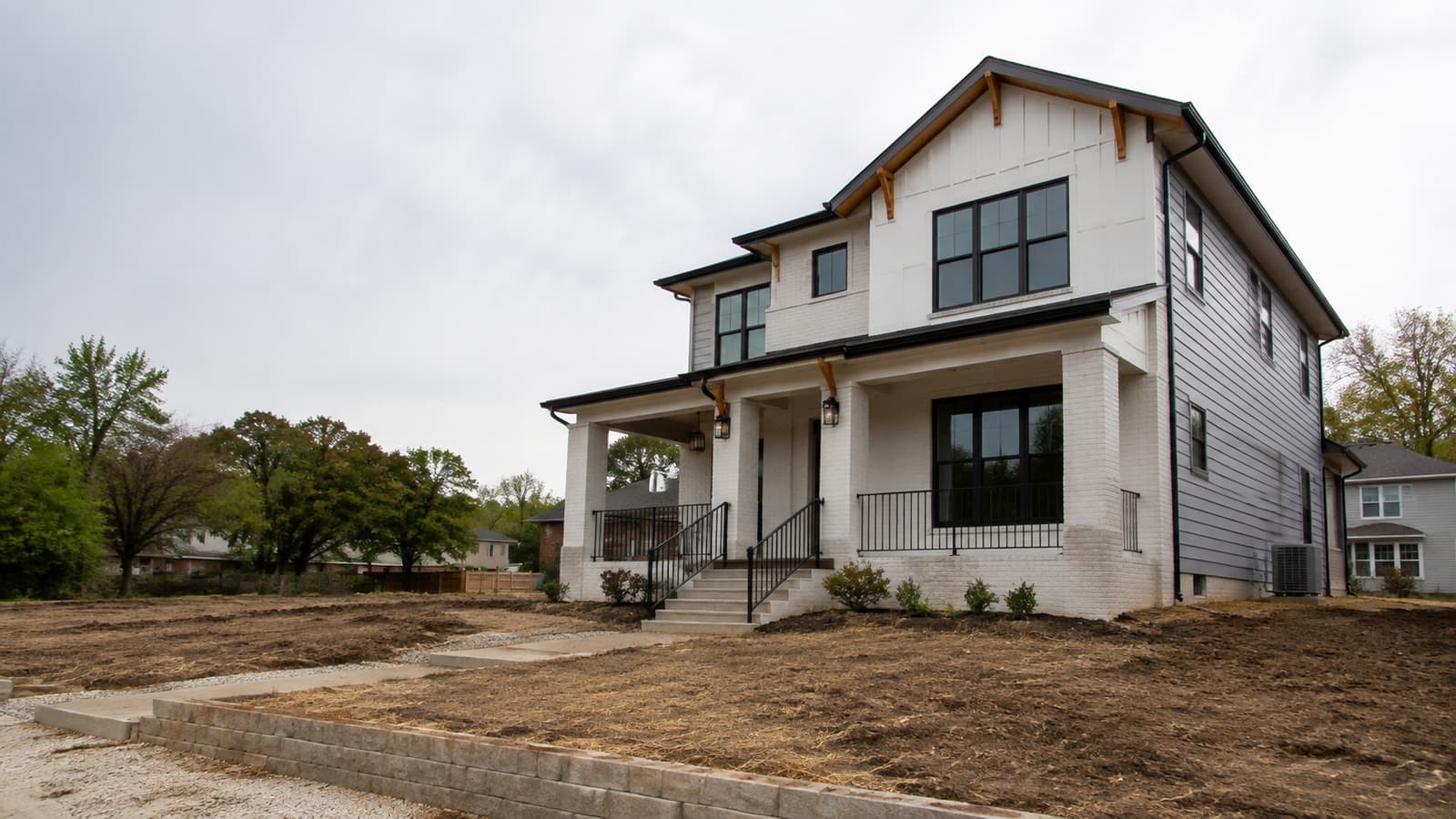
The East Point District Where the Floor-Area Bar Nearly Doubles
East Point's R-3 district requires nearly double the floor area of R-1A on a comparably sized lot.
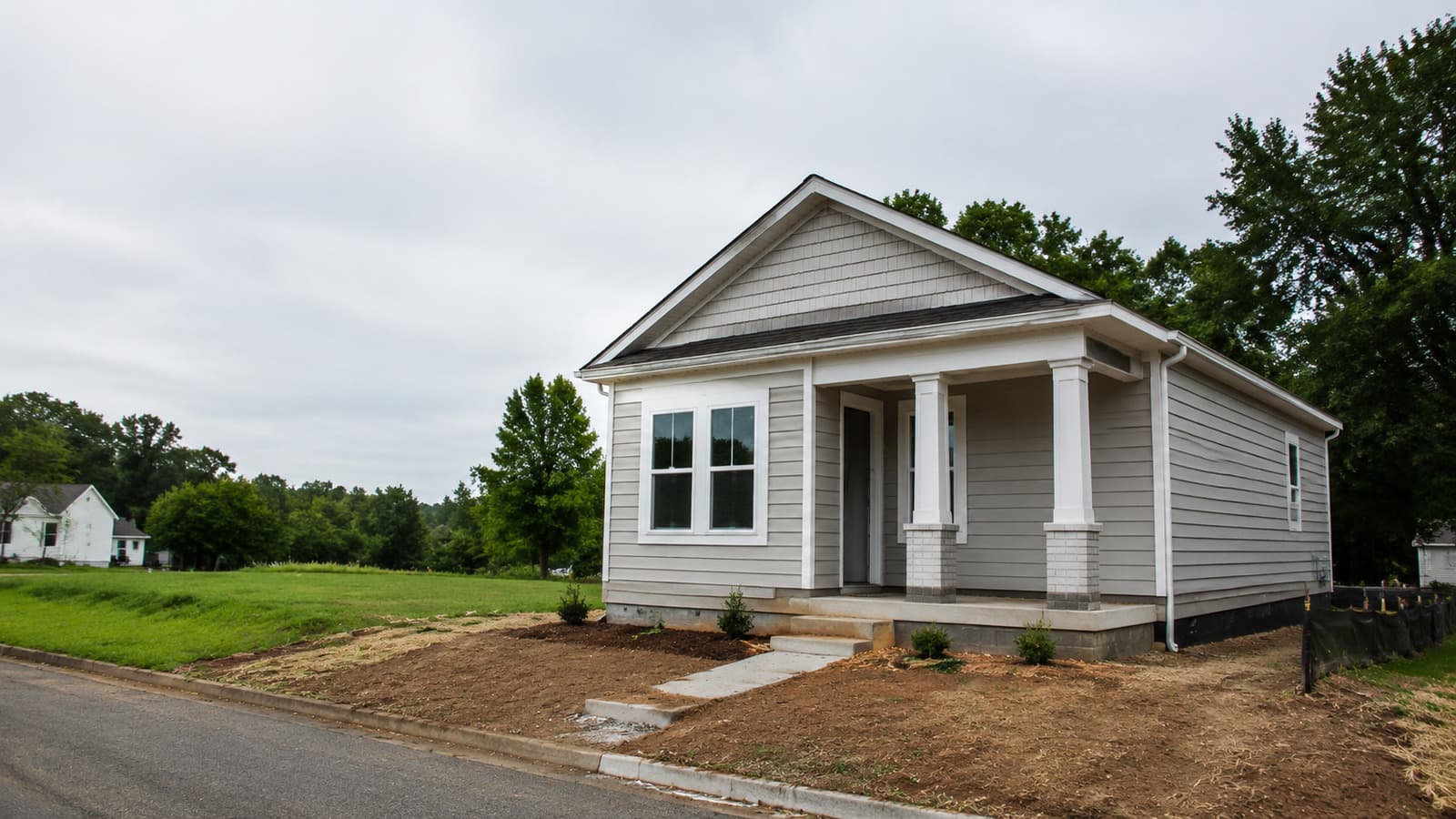
The Smaller East Point District With Its Own Floor-Area Math
East Point's R-1A district allows a smaller ground floor than R-1 next door — mixing the two up fails plan review.