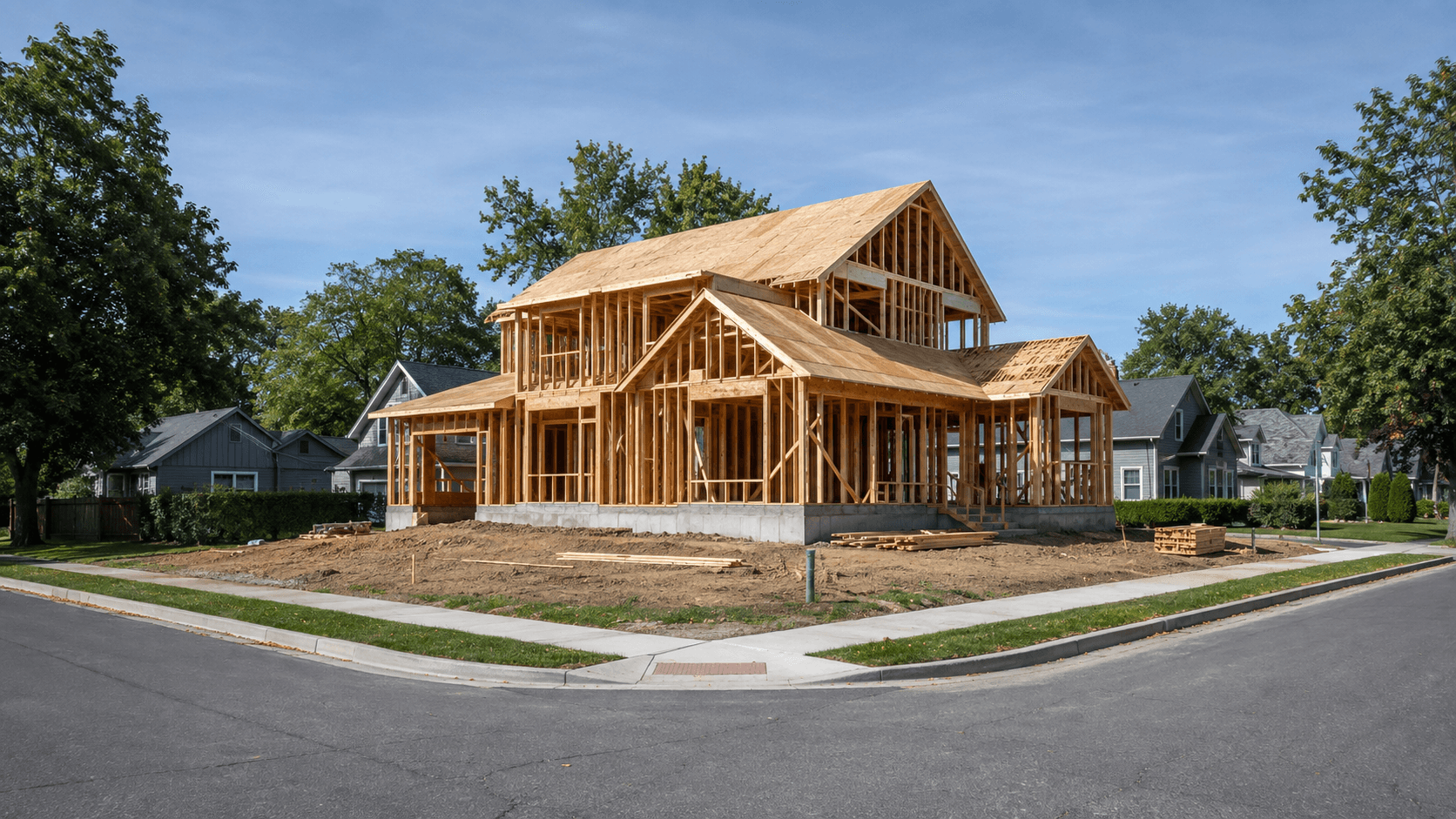
The Corner Lot Exception Most People Miss
Have you ever assumed a corner lot follows the same setback rules as a standard mid-block lot?
It's a reasonable default assumption, since a corner lot is still just a single-family lot with a house on it. But corner lots face a structural difference that most mid-block lots don't: they front two streets instead of one, and zoning codes frequently write a specific exception to account for that.
A Reduction, With a Floor
In Canton, Georgia, a corner lot's front yard setback on the lower-classified of its two streets can be reduced to half the standard front setback distance — but never below 15 feet, regardless of how the math works out.
This means a corner lot isn't automatically held to the full standard front setback on both sides that face a street. One of those two frontages can be treated more like a side yard, provided the reduced distance still clears the 15-foot floor.
Why This Gets Missed
Most people evaluating a corner lot check the primary front setback — the one facing what's obviously the "front" of the property — and assume the same number applies to the secondary street frontage. That assumption isn't unreasonable on a mid-block lot, where there's only one setback to think about. On a corner lot, it can mean underestimating how much buildable area is actually available, because the secondary frontage may allow construction closer to the property line than the primary front setback would suggest.
The reverse mistake also happens: assuming the exception applies automatically, without checking whether the specific lot and its street classifications actually qualify for the reduction, or where the 15-foot floor lands relative to the reduced number.
Applying This Before Assuming a Standard Setback
The practical step is to check whether a given lot is a corner lot in the first place, and if so, which of its two street frontages is the lower-classified one eligible for the reduction. That answer changes the buildable envelope calculation directly — sometimes meaningfully, on a lot where the extra frontage space matters for what can actually be built.
Where IQLand Fits
Corner-lot exceptions like this one are part of a parcel's assembled zoning detail, tied to the specific lot rather than presented as a generic rule that has to be manually checked against the property's actual street frontages.
The Takeaway
A corner lot isn't just a mid-block lot with extra visibility. It can carry a genuinely different setback calculation on one of its two frontages — and assuming the standard front setback applies uniformly is how buildable area gets underestimated before a design even starts.
Want to know whether a property qualifies for a corner-lot setback reduction? Search a parcel with IQLand →
IQLand
AI-powered land development intelligence platform
Related Posts
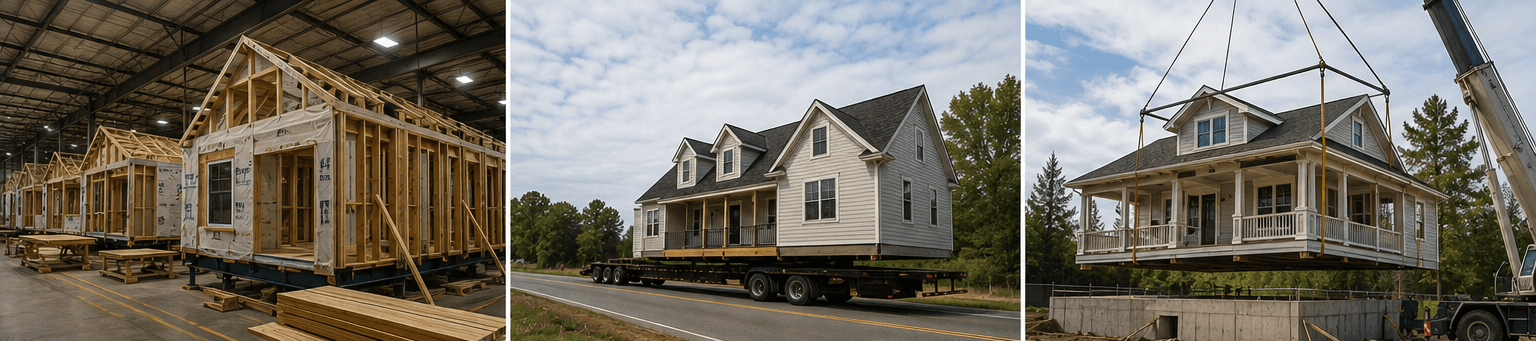
Prefab, Modular, or Manufactured? What's the Difference — and Who Cares?
Prefab, modular, and manufactured aren't interchangeable words. They're three regulatory categories with three different building codes, financing paths, and zoning treatments — and Congress just rewrote the rules for one of them.
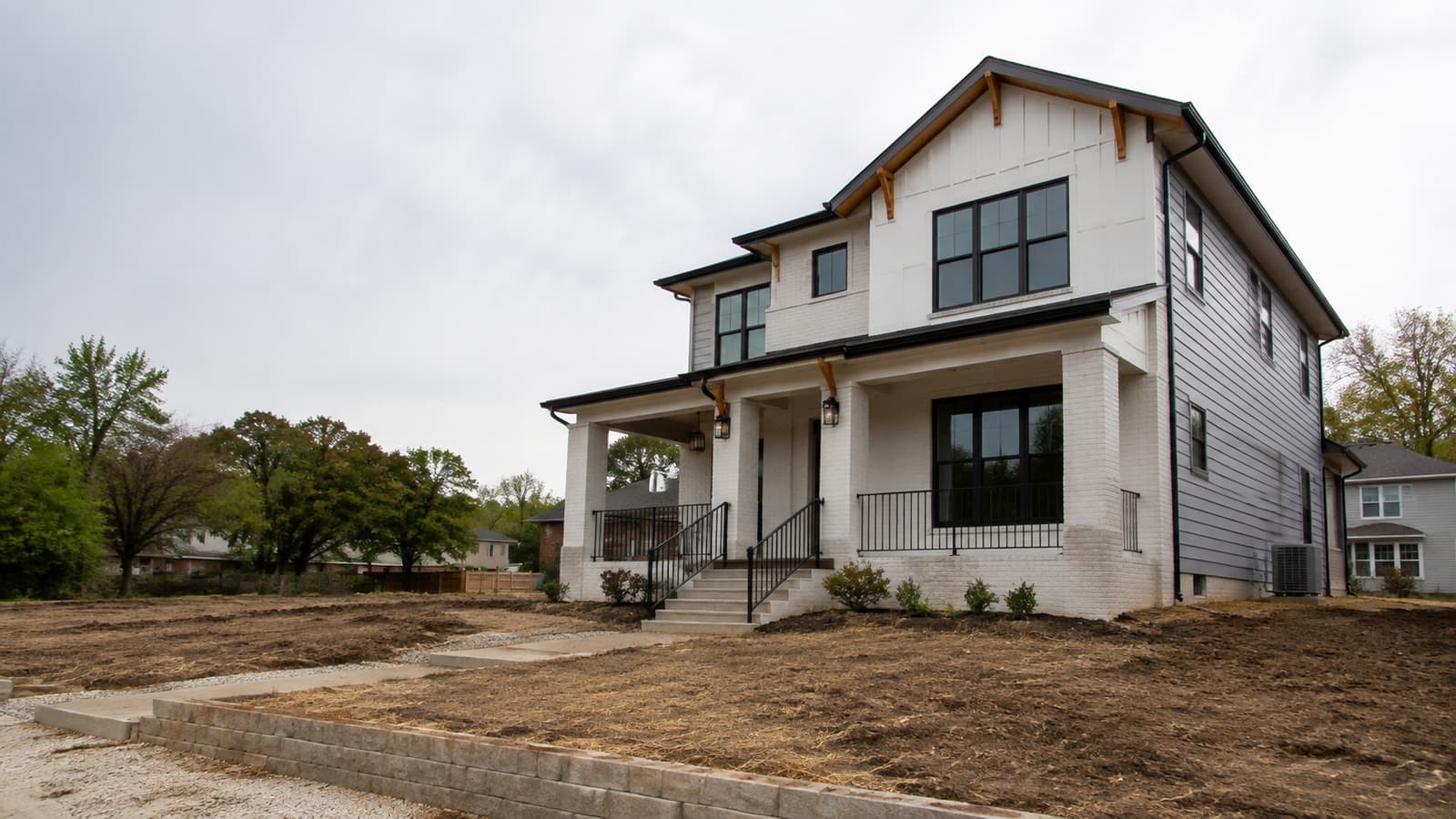
The East Point District Where the Floor-Area Bar Nearly Doubles
East Point's R-3 district requires nearly double the floor area of R-1A on a comparably sized lot.
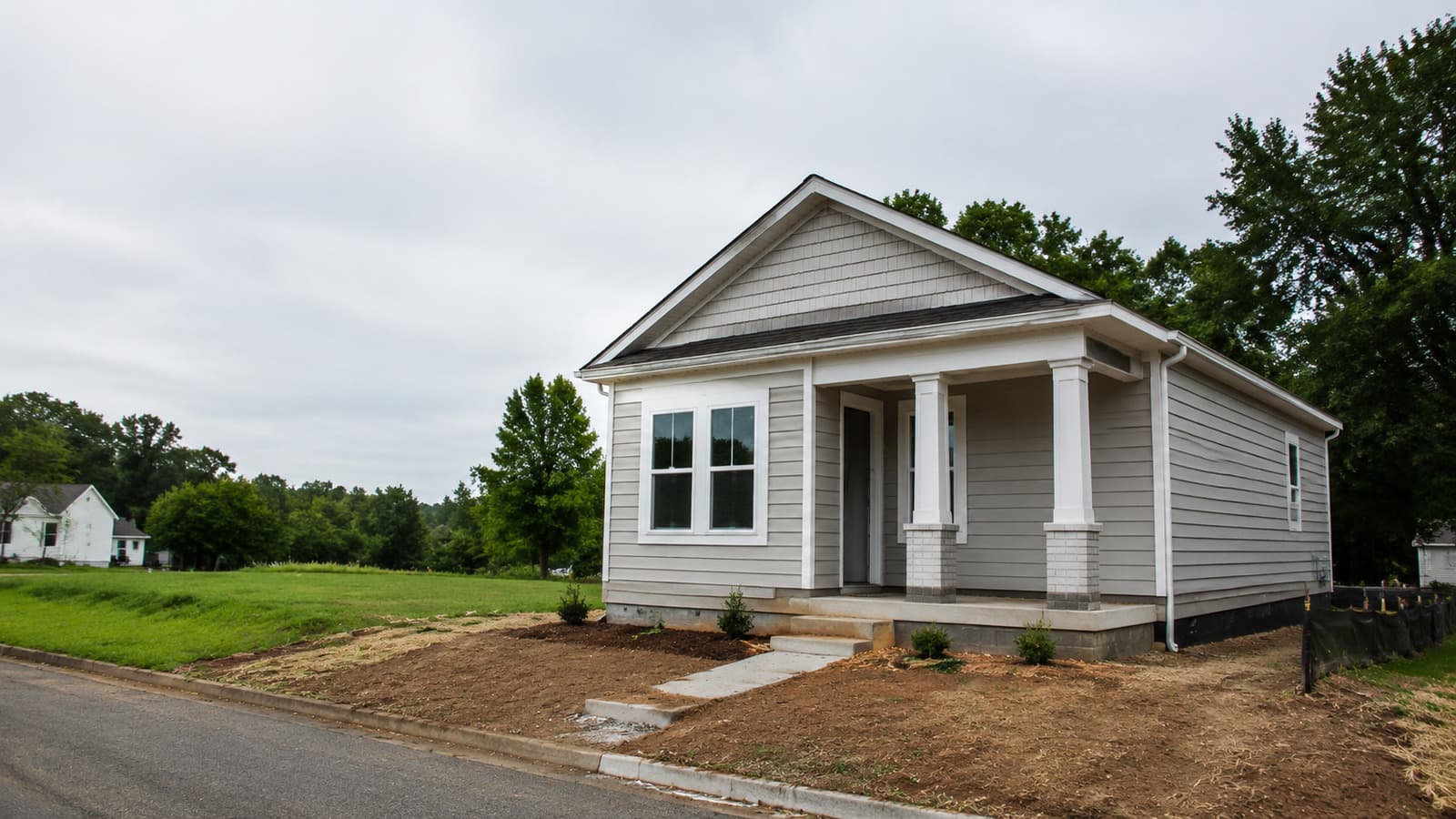
The Smaller East Point District With Its Own Floor-Area Math
East Point's R-1A district allows a smaller ground floor than R-1 next door — mixing the two up fails plan review.