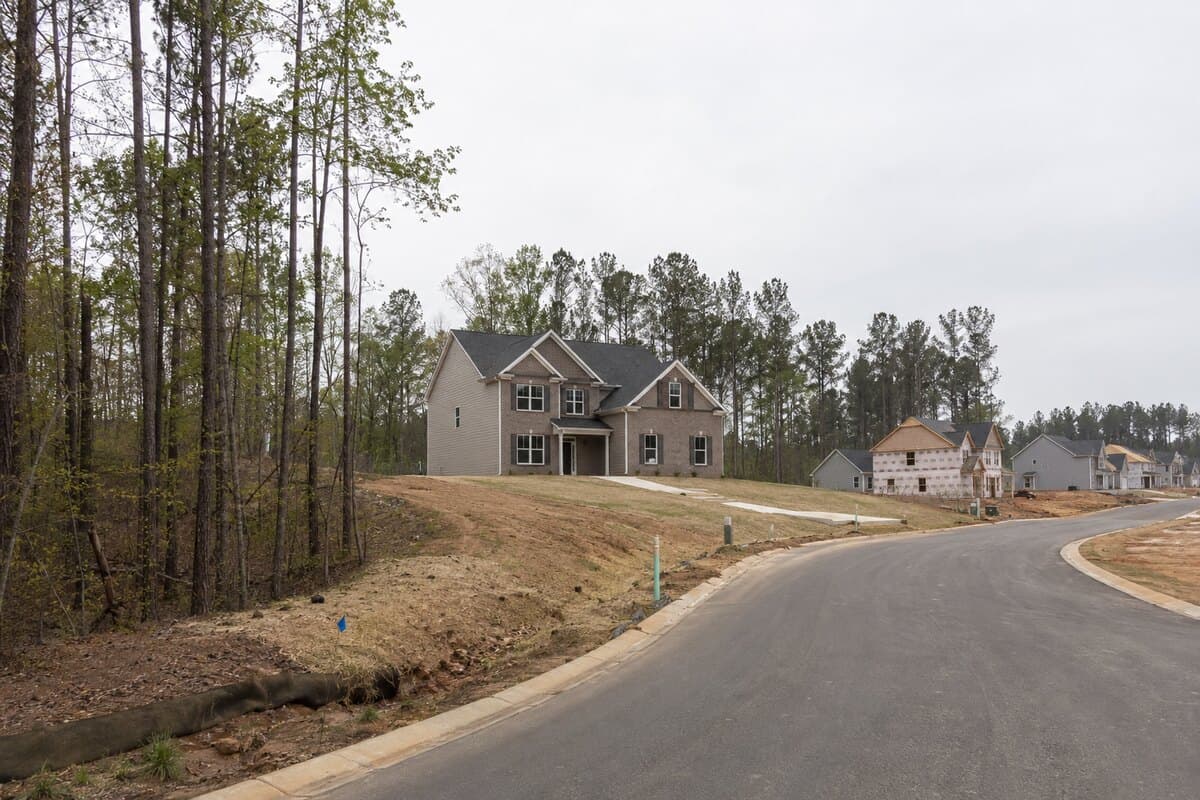
Permitted Doesn't Mean Unconditional
Have you ever assumed an accessory dwelling unit would need a special approval, only to find out it didn't?
It's a common assumption, and often a correct one — plenty of jurisdictions treat ADUs as a discretionary use requiring a hearing or a variance. But not every city takes that approach, and knowing which category a given jurisdiction falls into changes how a project actually gets planned.
A Permitted Use, Not a Special Exception
In Canton, Georgia, an accessory dwelling unit is listed as a permitted accessory use in both the R-40 and R-20 residential districts. That means it doesn't require a separate hearing or discretionary approval to confirm the use itself is allowed — that answer is already yes, sitting in the code as a standard permitted use rather than a conditional one.
What "Permitted" Does and Doesn't Settle
This is worth being precise about, because "permitted" answers one question and leaves several others open. Confirming that an ADU is a permitted use in R-40 or R-20 tells you the use itself doesn't require a hearing. It doesn't tell you the setbacks, the height limit, the lot coverage maximum, or any structure-specific standard that might apply once the use question is settled.
Those are separate checks, layered on top of the permitted-use confirmation. Skipping them because the use itself is permitted is a different mistake than assuming the use needs a hearing it doesn't — but it's still a mistake, and one that surfaces later, usually after a design already assumes a footprint that doesn't fit the actual dimensional standards.
Why This Distinction Matters
Jurisdictions vary widely on how they treat ADUs, and that variation is exactly why this can't be assumed from one city to the next. A rule that holds in Canton doesn't necessarily hold in a neighboring municipality, even one a few miles away. Each jurisdiction's own code has to be checked on its own terms — both for whether the use is permitted, and for what dimensional standards apply once it is.
Where IQLand Fits
A parcel's zoning detail includes both pieces: whether an ADU is a permitted, conditional, or prohibited use in that specific district, and the dimensional standards — setbacks, height, coverage — that apply once permission is confirmed. Both questions get answered from the same lookup, rather than requiring a separate confirmation call to the planning department for each one.
The Takeaway
Permitted doesn't mean unconditional. Knowing that an ADU is allowed by right in a given district is the first answer, not the whole answer — the dimensional standards still have to be checked before a design gets drawn around an assumed footprint.
Want to confirm both the permitted-use status and the dimensional standards for a property? Search a parcel with IQLand →
IQLand
AI-powered land development intelligence platform
Related Posts
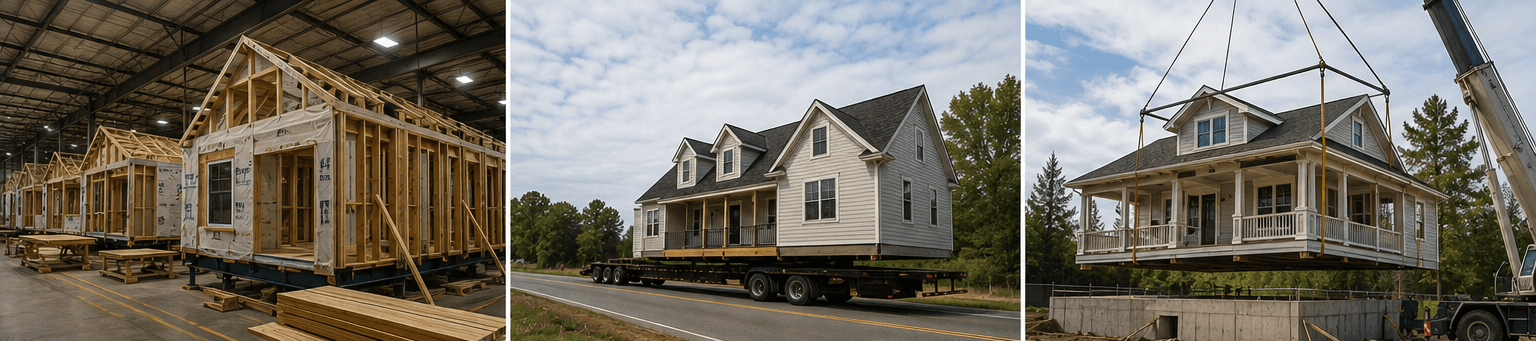
Prefab, Modular, or Manufactured? What's the Difference — and Who Cares?
Prefab, modular, and manufactured aren't interchangeable words. They're three regulatory categories with three different building codes, financing paths, and zoning treatments — and Congress just rewrote the rules for one of them.
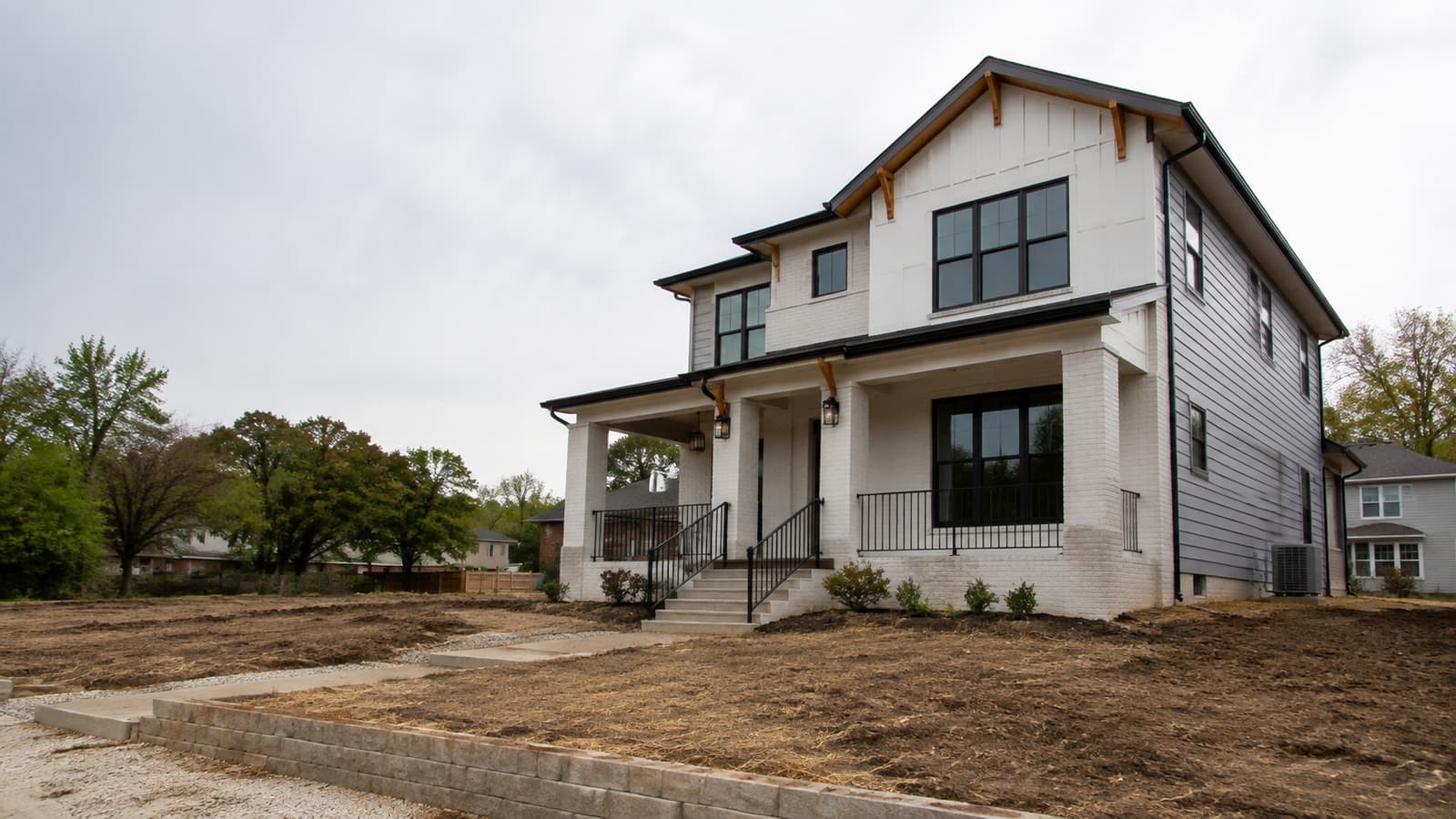
The East Point District Where the Floor-Area Bar Nearly Doubles
East Point's R-3 district requires nearly double the floor area of R-1A on a comparably sized lot.
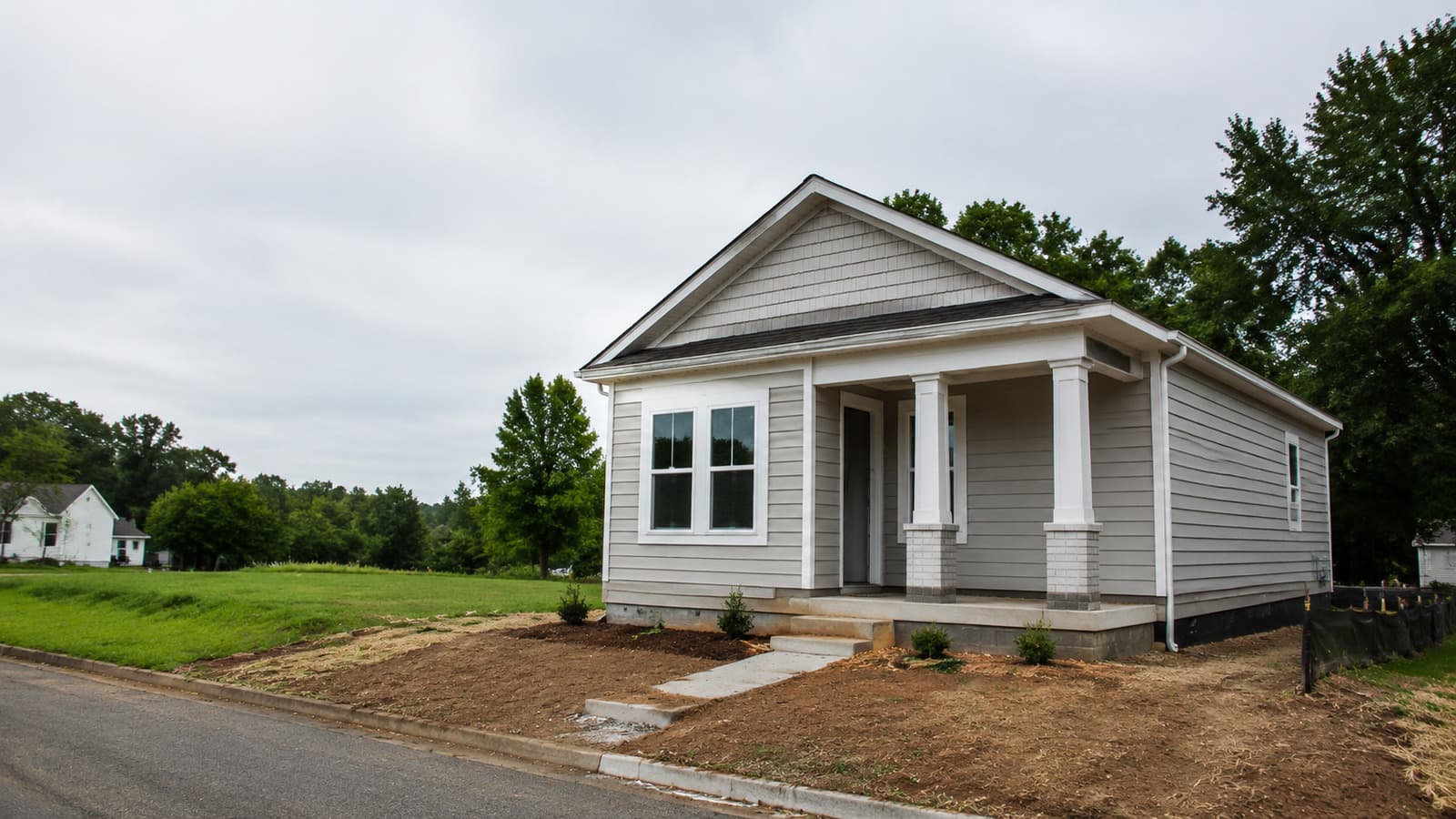
The Smaller East Point District With Its Own Floor-Area Math
East Point's R-1A district allows a smaller ground floor than R-1 next door — mixing the two up fails plan review.